The ability for a company to aum for maximum dust suppression relies on a holistic approach to the supply of solutions, combining different methods to achieve the highest possible standards of dust control possible, says leading fine particle specialist Reynolds Soil Technologies.
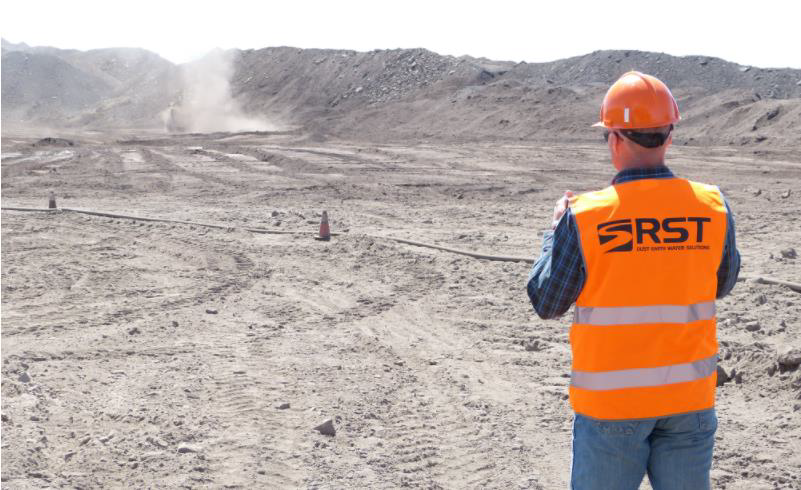
Serious environmental and health issues caused by dust gave given cause for tougher restrictions around the world, with dust control efficiency now one of the tip priorities for companies dealing with the movement of earthen materials.
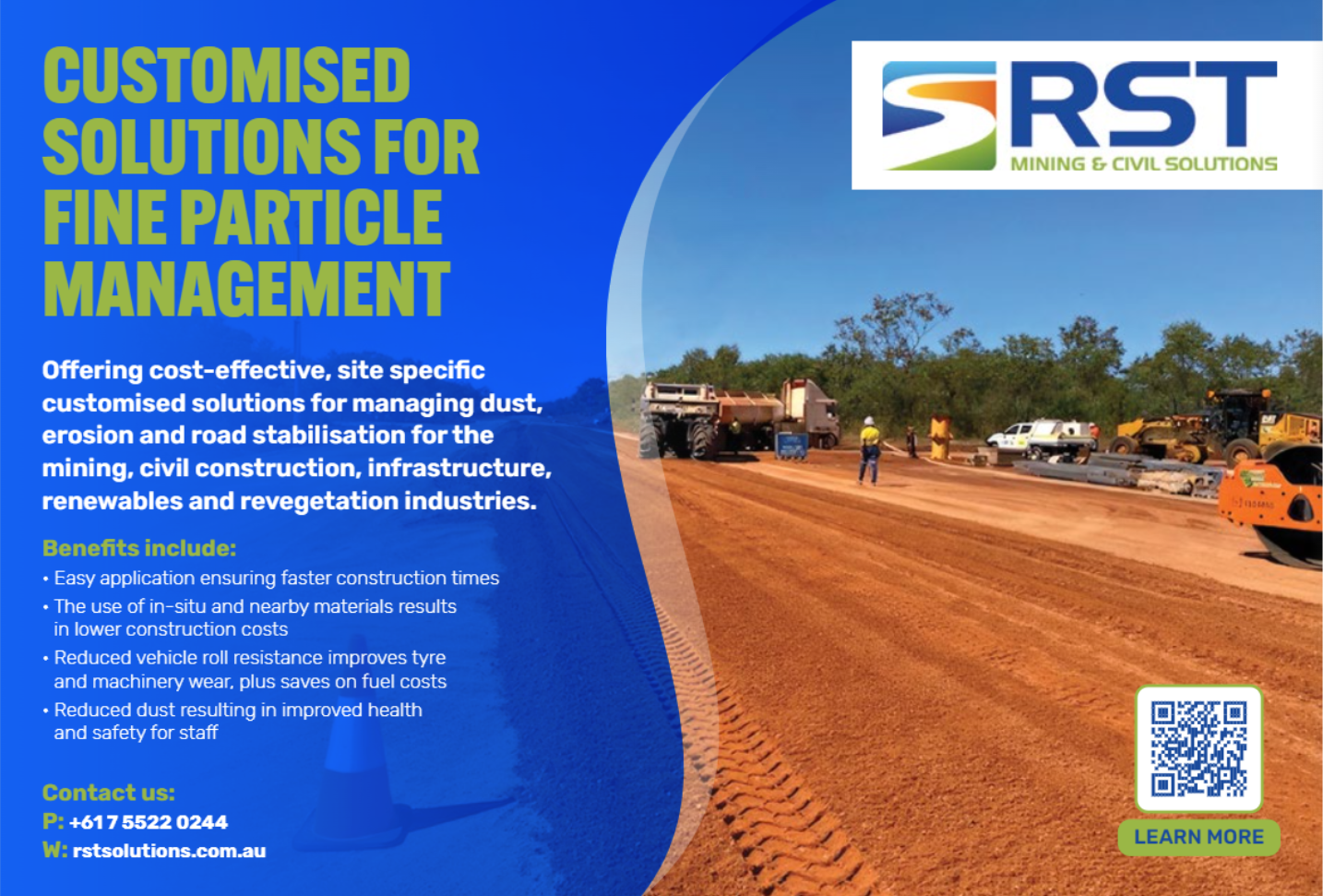
Reynold Soul Technologies (RST) is an Australian business that has specialized in the field of fine particle management for three decades, developing innovative technologies to control dust and the movement of other fine particles, particularly in the mining and civil construction industries.
From mine operations and processing plant to the transportation of material on haul and service roads, RST’s high-performance products, system and strategies are being used to control dust across entire projects and operations exceeding regulatory requirements for dust control.
“Achieving the highest levels of dust control, require a targeted strategy with a full armoury of solutions”, RST Operations and Technical Director David Handel said.
“When dealing with dust, we need to understand the bigger picture and deliver systems, applications and processes that work in conjunction with each other to achieve the highest levels of dust control possible”.
RST is a leader I dust management, which requires a deep understanding of the chemical composition of each type of particulate matter present and the elements to which they are exposed.
Site evaluation have been key to RST’s service delivery, with consideration also given to budget limits, dust control system already in place and a company’s short, mid and long-term goals.
Mr Handel said it was critical to address the production of excessive fines upstream, particularly in the mining process, to lessen the problems created by excess of fine materials produced throughout the whole material supply chain.
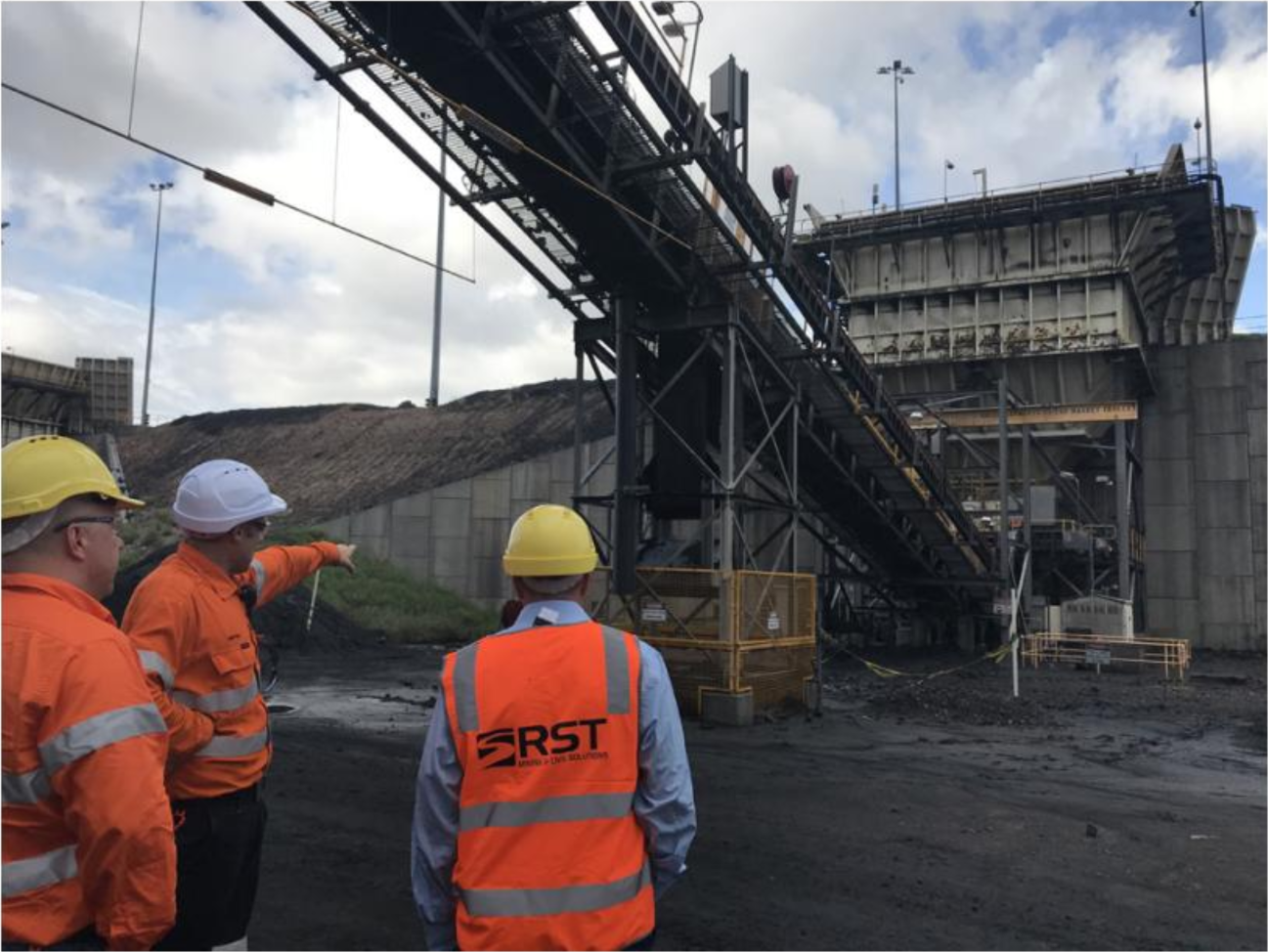
“Mined material moving through the stages of dig, dump, haul, ROM dumping, hopper bins loading, transfer points on conveyor belts, stackers, loaders and transport require a combination of targeted dust control solutions”, he said.
“What happens at the beginning can affect the quality of the product and dust control all the way through the supply chain – miss or fail any step along that line, it will create a problem for the next steps.
“Moisture control is so critical as the mined material needs to have a specific moisture content. Too much and the company could be penalized because the load is too heavy, too little and the product will become very dry and dusty.”
RST’s treatment for dust suppression penetrate, agglomerate and coat fine particles to prevent dust, while remaining flexible and film-forming for effective handling and ongoing dust suppression throughout the supply chain.
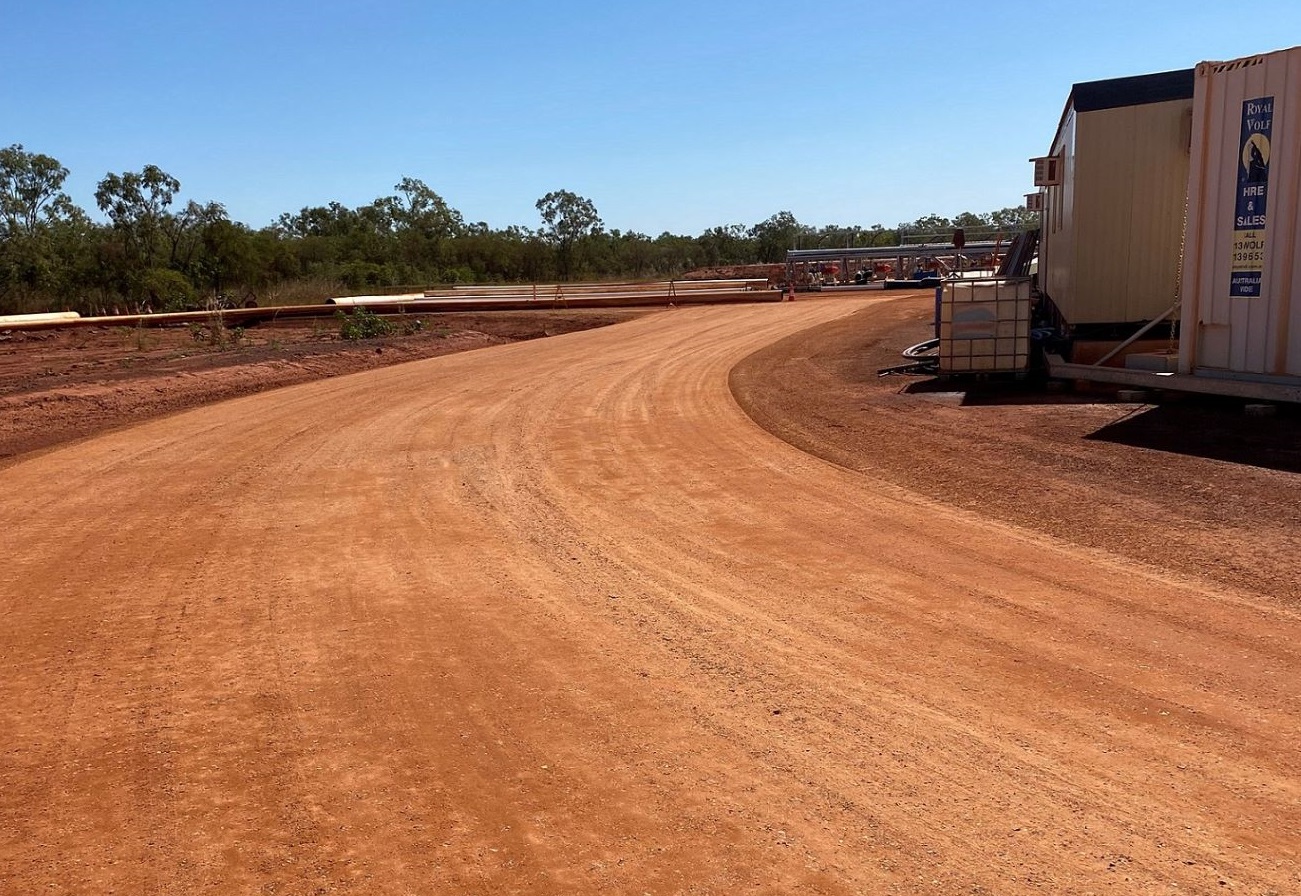
Other major areas along the material supply chain that utilize RST’s dust suppression technologies are haul and light vehicle roads, hardstand areas and carparks, stockpiles and tailing dams.
RST is engaged in continual research and development and specialized in advanced, customizable solutions for any issues caused by fine particle matter, no matter how isolated or unique.
“Dust challenges that threaten the environmental viability of major mining and infrastructure projects globally need to be prevented and controlled with solutions that can be adapted to varying factors such as weather patterns, temperature, land topography and the variety of materials and processes involved,” Mr Handel added.
“Self-auditing is also an important part of our dust control strategies and need to be ongoing to ensure optimal results are achieved and maintained.
Thirty years of research and development in the field of fine particle management has equipped RST with the knowledge and experience to solve complex issues of dust, sediment and erosion control in various climate and conditions.
RST specializes in customizing products and services to suit various requirements for dust control, surface stabilization and erosion mitigation. Material type, application equipment and processes, climatic conditions and water availability and quality, are considered by RST when delivering the right solutions.
RST is an Australian business operating internationally, with presence and projects currently in the United States of America, China, India, Africa, the United Arab Emirates, Canada, Panama, Mexico, Columbia, Chile, Brazil, Peru, Argentina, Papua New Guinea, New Caledonia, New Zealand, Indonesia, The Philippines, Malaysia, Croatia, Lithuania, Mongolia.
For more information, contact Reynolds Soil Technologies on (07) 5522 0244 or visit www.rstsolutions.com.au